
Carbon Plate vs. Super Trainers: Which Is Better For Your Daily Miles?
- LeMar Johnson
- Mar 30
- 6 min read

Coach here.
I’ll be the first to admit it: I’m a sucker for a fresh pair of kicks. There is something about opening that box, smelling the "new shoe scent," and seeing those aggressive silhouettes that makes you feel like you’ve already shaved two minutes off your 5K PB.
But lately, the shoe wall at the local run shop looks more like a NASA lab than a sporting goods store. We’ve got carbon plates, PEBAX foams, "Super Trainers," and rockers that look like they could launch you into orbit. If you’re a runner over 40, you’re probably asking yourself the same thing I was: “Are these $250 shoes actually helping me stay healthy, or am I just paying to hurt myself faster?”
Today, we’re breaking down the carbon plate vs super trainers debate. We’re going to look at what’s actually better for your daily miles and, more importantly, what’s going to keep you running well into your 60s and 70s.
Before we dive into the foam and plates, do me a favor, if you want more no-nonsense advice for the 40+ runner delivered straight to your inbox, hit that subscribe button.
[SUBSCRIBE TO LOVE JOY RUN]
The Carbon Fiber Fever
Let’s start with the heavy hitters. You know the ones, the shoes the pros wear when they’re breaking world records. They are rigid, they are loud, and they have a carbon fiber plate sandwiched between layers of "super foam."
The pitch is simple: the plate acts as a lever, and the foam gives you incredible energy return. You run faster with less effort. Sounds like a dream for those of us who feel a little "creaky" on Monday mornings, right?
Well, here’s the reality check. Carbon plate shoes are Ferraris. They are designed for one thing: high performance under specific conditions. When you’re pushing a tempo pace or racing, they’re magic. But have you ever tried driving a Ferrari in a school zone or through a grocery store parking lot? It’s jerky, uncomfortable, and frankly, a bit of a waste.
For the daily grind: the easy miles, the recovery runs, the "I just need to clear my head" jogs: carbon plates can actually be a liability. Because the plate is so rigid, it changes how your foot interacts with the ground. It forces a specific gait. For a 22-year-old whose tendons are made of rubber bands, that’s fine. For those of us over 40? That rigidity can put extra stress on our calves and Achilles tendons.
The Verdict on Carbon Plates: Save them for race day and your hardest speed sessions. They aren’t meant for the daily "Love Joy Run" vibe.

Enter the "Super Trainer"
This is where things get interesting. In the last year or two, shoe brands realized that we wanted the "super foam" feel without the "broken foot" stiffness. Enter the Super Trainer.
Think of these as the high-end SUVs of the running world. They usually feature the same bouncy, high-tech foam as the elite race shoes, but the plate is either more flexible (made of nylon or TPU) or removed entirely.
Why is this better for your daily miles?
Flexibility: Your foot can actually move. This is huge for longevity. We want our feet to stay strong, not become reliant on a carbon "crutch."
Comfort: The foam is forgiving. If you’re heading out for 6 miles after a long day at work, you want something that protects your joints without demanding you run at a 6:00/mile pace to "activate" the shoe.
Versatility: A super trainer can handle an easy run, but it’s still snappy enough if you decide to throw in some strides at the end.
If you’re looking at carbon plate vs super trainers, the super trainer is almost always the winner for the person who wants one shoe to do most things.
Why Your 40+ Body Might Be Screaming at You
Let’s get real for a second. As we get older, our recovery takes a hit. We can't just bounce back from a hard session like we used to. This is where shoe choice becomes a "wellness" decision, not just a performance one.
Using a rigid carbon shoe every day can lead to what I call "super shoe syndrome." Because the shoe is doing so much of the work to propel you forward, your smaller stabilizing muscles start to get lazy. Then, the moment you put on a pair of yoga leggings to do some cross-training or go for a hike in flat shoes, things start to hurt.
We want to stay "intentional movers." That means we want gear that supports us, not gear that replaces our natural mechanics.
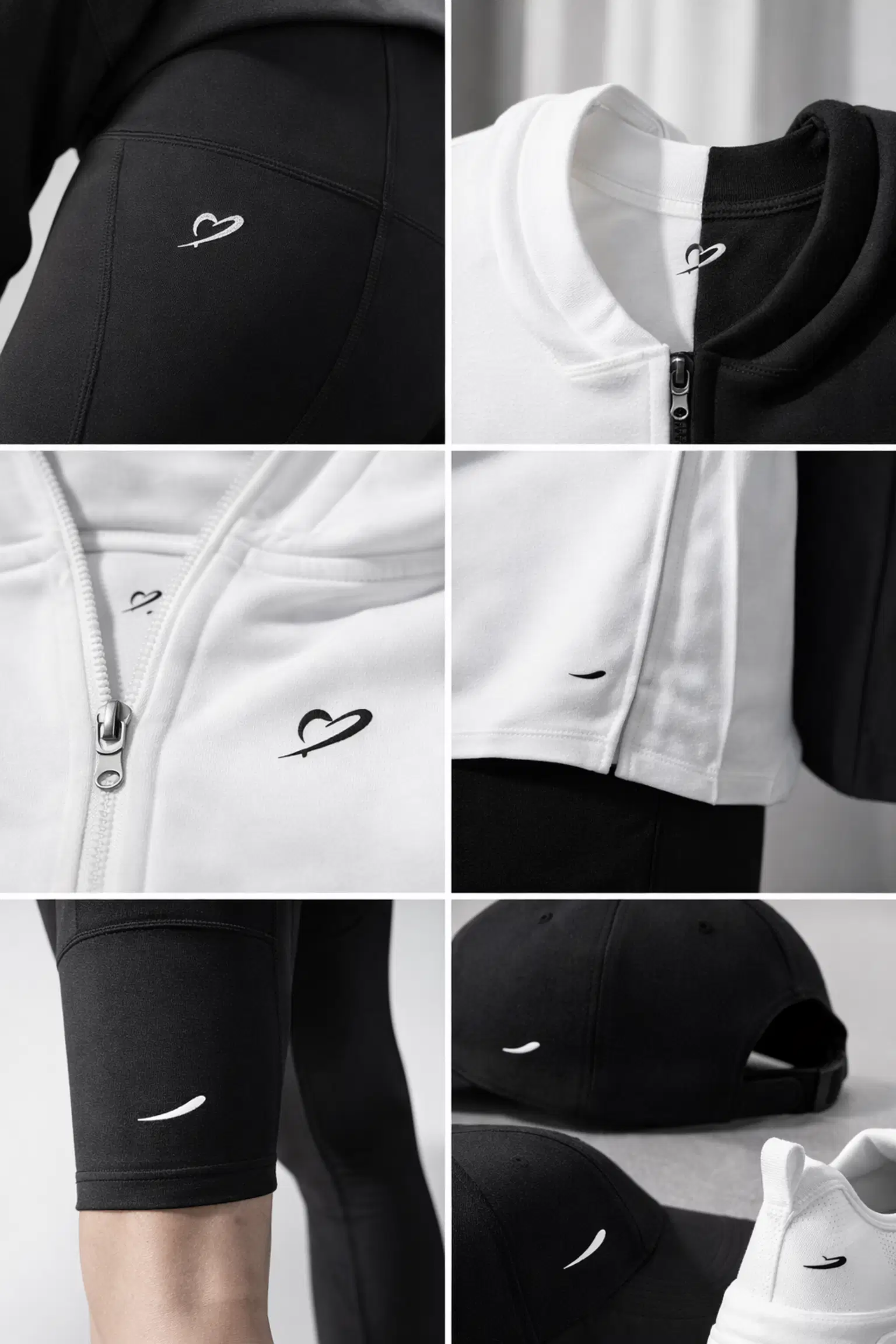
The Case for the "Boring" Daily Trainer
I know, I know. Standard daily trainers aren't sexy. They don't have plates. They don't look like they belong in a sci-fi movie. But listen to your Coach: these are the bread and butter of a long running career.
Standard trainers are durable. They usually last 400-500 miles, whereas a super shoe might start losing its "pop" after 150. If you’re out there grinding every day, you need a workhorse. Plus, there is something to be said for the "ground feel." It keeps your brain connected to your movement.
If you're looking for that perfect balance of comfort for your post-run coffee or errands, a pair of wide leg joggers and some reliable daily trainers is a vibe that never goes out of style.
How to Build Your "Rotation"
If you really want to optimize your running, don’t just pick one. Create a rotation. You don’t wear the same outfit to a wedding that you wear to the gym (I hope?), so why treat your shoes any differently?
Here is my recommended "over 40" shoe rotation:
The Daily Workhorse: A standard, non-plated trainer. Use this for 60-70% of your miles. It keeps your feet strong.
The Super Trainer: Use this for your long runs or "uptempo" days. It gives your legs a break from the impact without the harshness of a carbon plate.
The Race Day Shoe: That carbon plate masterpiece. Pull it out once every few weeks for a "dress rehearsal" and on race morning.
This variety forces your muscles to adapt to different stresses, which is the best way to prevent overuse injuries.

Is it Worth the Spend?
Let’s talk about the elephant in the room: the price tag. Super shoes and trainers are expensive. We're talking $200 to $285 a pop.
Is it worth it? If it keeps you excited to get out the door, then maybe. But don't let the marketing convince you that you need them to be a "real" runner. Some of the best miles I’ve ever run were in basic shoes and a simple unisex t-shirt.
The joy comes from the movement, not the price tag on your feet.
Final Thoughts from Coach
The "carbon plate vs super trainers" debate really comes down to what you value more: a few seconds off your Garmin time, or the ability to run pain-free for the next twenty years.
For most of us in the LOVE JOY RUN community, the answer is the latter. We want to move with purpose. we want to feel the wind, the sun, and the community. If a super trainer helps you recover faster so you can show up for the group run on Saturday, go for it! But don't sleep on the basics. Your feet will thank you.
Found this helpful? Share this post with your running buddy who is currently nursing an Achilles injury but refuses to take off their carbon plates!
[SHARE THIS POST]
Ready to join the movement?
At LOVE JOY RUN, we believe fitness is about more than just fast times: it's about the energy, the community, and the gear that makes you feel like the best version of yourself.
Whether you're looking for the perfect men's athletic t-shirt for your next tempo run or a cozy women's basic softstyle t-shirt for recovery day, we’ve got you covered.
SHOP THE FULL COLLECTION HERE
And if you’re in the Tampa area, come run with us! We don't care what shoes you're wearing, as long as you're moving with joy.

Scan the code below to join the club and see you on the path!

Scan this QR code to join the LOVE JOY RUN Tampa club!


Comments