
Do You Really Need Fancy Supplements? The Truth About Endurance Running Nutrition
- LeMar Johnson
- Apr 20
- 5 min read

Ever walked into a health store or scrolled through your social feed and felt like you needed a PhD just to buy a snack? Between the "superfood" powders, the neon-colored recovery drinks, and those pills that promise to make you run like a gazelle, it’s a lot. If you’re a runner over 40, the noise gets even louder. You start hearing about "optimizing hormones" and "cellular recovery," and suddenly, your kitchen cabinet looks more like a chemistry lab than a place where you make actual dinner.
But here’s the million-dollar question: Do you actually need any of it?
At LOVE JOY RUN, we’re all about keeping things simple. Life is complicated enough; your running shouldn’t be. Whether you’re training for your first 5K or your tenth marathon, the truth about endurance running nutrition is often much more boring, and much more effective, than the supplement industry wants you to believe.
Let’s strip away the marketing and talk about what actually moves the needle for your performance and your health.
The "Supplement First" Trap
We live in a culture that loves a shortcut. We want the pill that fixes the fatigue, the powder that replaces the sleep, and the gel that makes up for a poor breakfast. But here’s a reality check: supplements are meant to supplement a solid diet, not replace one.
Think of your nutrition like a house. Real food, oats, potatoes, lean proteins, fruits, and veggies, is the foundation, the walls, and the roof. Supplements are the fancy curtains. If you don't have walls, the curtains aren't going to do much to keep the rain out.
For many runners, especially those of us balancing careers, families, and morning miles, the temptation to grab a "performance booster" is real. But if you’re making common endurance nutrition mistakes, no amount of expensive powder will save your run.
Why Real Food Wins Every Time
Your body is incredibly smart. It has spent thousands of years evolving to process whole foods. When you eat a piece of fruit, you’re not just getting sugar; you’re getting fiber, vitamins, minerals, and phytonutrients that all work together. When you take a synthetic supplement, you’re often getting a high dose of one isolated thing, which your body might not even know how to absorb properly.
For the 40+ runner, real food is even more critical. Our bodies become a little less "forgiving" than they were in our 20s. Inflammation sticks around a bit longer, and our digestive systems can get a little pickier. Real, whole foods are generally easier on the gut and provide the steady, long-burning energy we need for those long miles.
What Real Food Does for You:
Steady Energy: Complex carbs like sweet potatoes or brown rice give you a slow release of energy, avoiding the "spike and crash" of sugary snacks.
Better Recovery: Natural antioxidants found in berries and leafy greens help fight the oxidative stress that comes with long-distance running.
Digestive Peace: Real food contains the fiber your gut needs to stay happy, which is a big deal when you’re mid-run and miles away from a bathroom.

The 40+ Factor: Why We Need to Eat Differently
Let’s be real, running at 45 feels different than running at 25. Recovery takes a bit longer, and we might be more prone to those "niggling" injuries. This is where nutrition shifts from "how fast can I go?" to "how long can I keep doing this?"
As we age, our protein needs actually go up. We want to maintain that lean muscle mass to protect our joints. If you’re worried about your form or joint health, it’s often a combination of improving your biomechanics and fueling with enough protein and anti-inflammatory fats.
Focusing on magnesium-rich foods (like spinach and pumpkin seeds) and calcium (like yogurt or fortified plant milks) helps keep the bones strong and the muscles relaxed. You don't necessarily need a "bone health" supplement if your plate is colorful and varied.
When Supplements Actually Make Sense
Now, I’m not saying all supplements are a scam. There is a time and a place for them, especially when the demands of endurance running exceed what we can comfortably get from a standard meal.
1. During the Run (The Fueling Exception)
If you’re out there for more than 60–90 minutes, your body needs quick energy. This is where energy gels or chews come in. Trying to eat a baked potato while running a half-marathon is technically possible, but it’s not exactly convenient. In this case, the "processed" nature of a gel is actually a benefit, it’s designed to be absorbed instantly without making your stomach do heavy lifting.
2. The Micronutrient Gap
Sometimes, despite our best efforts, we run low on specific things. For endurance runners, the common culprits are:
Vitamin D: Especially if you live in a place with long winters.
Iron: Very common in female runners and can cause massive fatigue.
Magnesium: We lose this through sweat, and it’s vital for muscle function.
If you suspect a deficiency, don't guess. Get a blood test. Taking iron when you don't need it can be harmful, and taking Vitamin D when you’re already at optimal levels is just a waste of money.
3. The Caffeine Kick
Caffeine is perhaps the most well-researched performance aid in existence. It works. It lowers your "perceived exertion," meaning the run feels easier than it actually is. Whether you get it from a fancy pre-workout or a simple cup of black coffee, the result is the same. Most of us prefer the coffee, it tastes better and doesn't come with a list of ingredients you can't pronounce.
Simple Endurance Nutrition: The Minimalist Guide
If you want to keep your endurance running nutrition simple, follow these three "Minimalist Rules":
Rule 1: Carbs are your best friend. Forget the low-carb trends if you’re running long distances. Your brain and muscles run on glucose. Eat your oats, your pasta, and your fruit. If you’re heading out for a big weekend run, make sure you’ve had enough to fuel the fire.
Rule 2: Hydrate with intention. Hydration isn't just about water; it's about balance. If you’re a heavy sweater, you might need an electrolyte tab, especially in the Florida heat. But for a quick 30-minute jog? Plain water is just fine. You can read more about the X-factor of hydration here.
Rule 3: Post-run protein is non-negotiable. Within an hour of finishing a tough session, get some protein in. A Greek yogurt, a chicken wrap, or even a glass of chocolate milk (the classic runner’s recovery drink) will start the repair process so you aren't hobbling around the next morning.
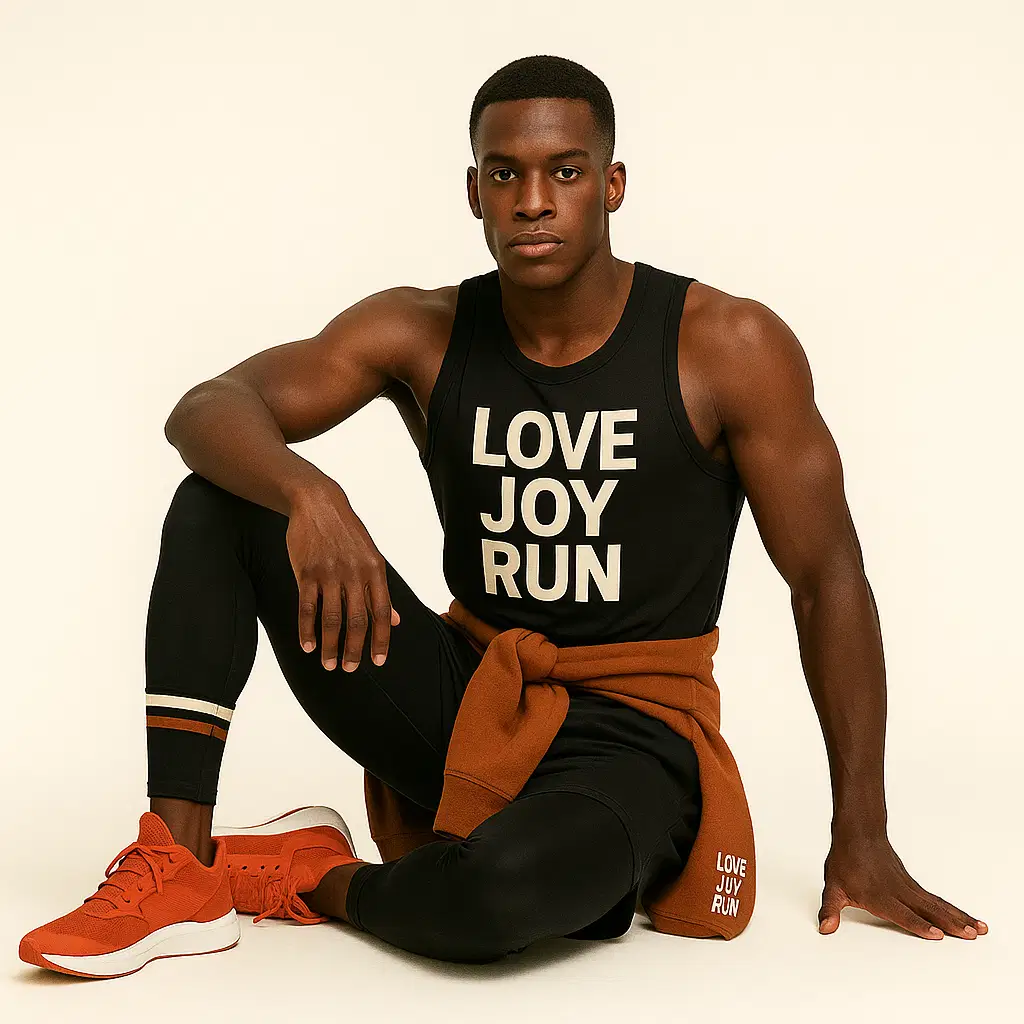
Look Good, Feel Good, Run Simple
At the end of the day, endurance running is an act of joy. It shouldn't be a chore of measuring powders and tracking every micro-gram of supplement intake. When you focus on real food, you feel better, you recover more naturally, and you save a lot of money, money that is much better spent on a pair of high-quality running tights or a cozy hoodie for your post-run coffee.
Confidence comes from knowing you’ve put in the work and fueled your body with respect. You don't need a "magic bullet" in a bottle. You just need a plan, a good pair of shoes, and the right mindset.
If you're looking for more personalized guidance on how to navigate training as a busy athlete, check out our online training programs. We help you cut through the noise and focus on what actually works.
Join the Movement
We believe running is for everyone, at every age. It’s about movement, community, and the joy of the road.
If you enjoyed this deep dive into the truth about nutrition, please LIKE, Subscribe and Share this post with your running crew. Let’s spread the word that performance doesn't have to be complicated.
Ready to take your journey to the next level? Grab some LOVE JOY RUN gear and show the world that you run with purpose. Or better yet, if you're in the area, come run with us!


Comments