
The Sneaker Deep Dive: Choosing Your Perfect Match for 26.2
- LeMar Johnson
- 20 hours ago
- 7 min read

Let's talk about shoes. Not just any shoes, the ones that'll carry you 26.2 miles. The ones you'll lace up on race morning with nervous excitement. The ones that, honestly, might be the difference between a PR and a painful limp to the med tent.
Here's the thing: choosing the right marathon shoe isn't just about biomechanics and cushioning specs. It's about confidence. It's about stepping up to the start line knowing you've done your homework, you're prepared, and you're ready to join thousands of other runners in this wild, wonderful thing we do.
Your shoes are part of your story. Let's make sure they're the right ones.
Why Your Shoes Actually Matter
You wouldn't show up to a marathon without training, right? Same energy applies to your footwear. The shoes you choose become an extension of your preparation, they're the physical tool that translates all those early morning miles and tempo runs into race-day performance.
But beyond the mechanics, there's something psychological happening too. When you slip on shoes you trust, you feel it. That little boost of confidence. That sense of being part of a community that takes this stuff seriously, that respects the process.
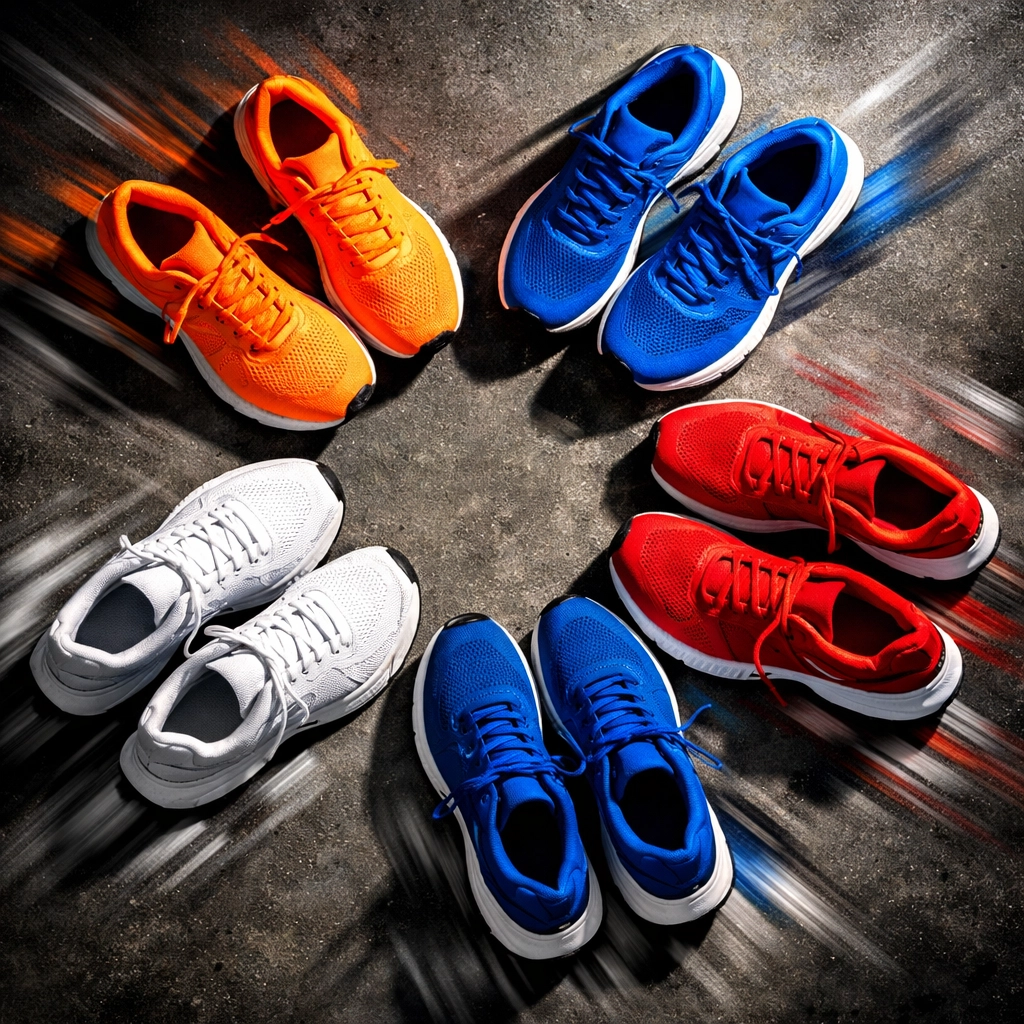
And yeah, your shoes need to work with everything else, your hydration strategy, your nutrition plan, your pacing. Everything connects. If your feet are screaming at mile 15 because you chose the wrong shoes, it doesn't matter how dialed in your gel timing is.
The Three Types of Marathon Shoes (and How They Play With Your Running Biomechanics)
Let's break this down simply. Marathon shoes generally fall into three categories. But here’s the twist: the “best” pick usually comes down to your running biomechanics—how you load the ground, how stable you are side-to-side, and how your stride holds up when you’re tired (because mile 22 is a truth serum).
Carbon Plate vs Super Trainers vs Daily Trainers — what’s the real difference?
Super Shoes (Carbon-Plated Speed Machines)
These are the flashy ones. The ones with carbon plates and weird-sounding foams. Think Nike Alphafly, ASICS METASPEED, etc. They’re designed for one thing: speed.
Tech benefits (for the everyday runner):
Carbon plate = stiffness + “lever” feeling. It can help you roll forward faster and feel snappier at tempo and race pace.
High-energy foam = less “dead leg” late in the run. You usually feel fresher for longer.
Biomechanics reality check: carbon shoes often reward a smoother, more stable stride. If your ankles collapse inward a lot when you fatigue (super common), some carbon models can feel a little twitchy. Not “bad.” Just… spicy.
The catch? They're expensive ($240-$285) and can feel less stable if you're not used to them. They're race-day specialized, not your everyday trainer.
Super Trainers (Big Cushion + Fast Feel, Usually With a Plate or Rods)
Super trainers are basically the everyday-runner-friendly cousin of super shoes. Still fast. Still bouncy. Usually way more forgiving for training volume. Think: max cushion, lightweight-ish, and often some kind of stiffening element (plate, rods, or a geometry that acts like one).
Tech benefits (for the everyday runner):
More stability than many carbon racers. Wider base + more foam underfoot can feel calmer when your form gets messy.
High cushioning = impact protection. Helpful if you’re building mileage, running on tired legs, or just trying to keep your knees from filing a complaint.
If you’re stuck on the “carbon plate vs super trainers” question: super trainers are often the smarter buy if you want one shoe that can handle long runs, progression runs, and the occasional “okay… let’s see what I’ve got” workout.
Race-Day Trainers (The Sweet Spot)
This is where most runners find their happy place—especially if you want speed without feeling like you're balancing on a pogo stick. Shoes like the Saucony Endorphin Speed or New Balance FuelCell Rebel balance pop with comfort.
They're versatile too—you can use them for speedwork during training and trust them on race day. That familiarity matters.
Training Shoes (The Daily Workhorses)
These are your bread and butter. Nike Pegasus, Brooks Ghost, Saucony Triumph—shoes built for comfort and durability. If you're a first-time marathoner or someone who prioritizes finishing over finishing fast, these are your friends.
They're also perfect for all those long runs where you're just putting in miles and testing your nutrition and hydration strategies.
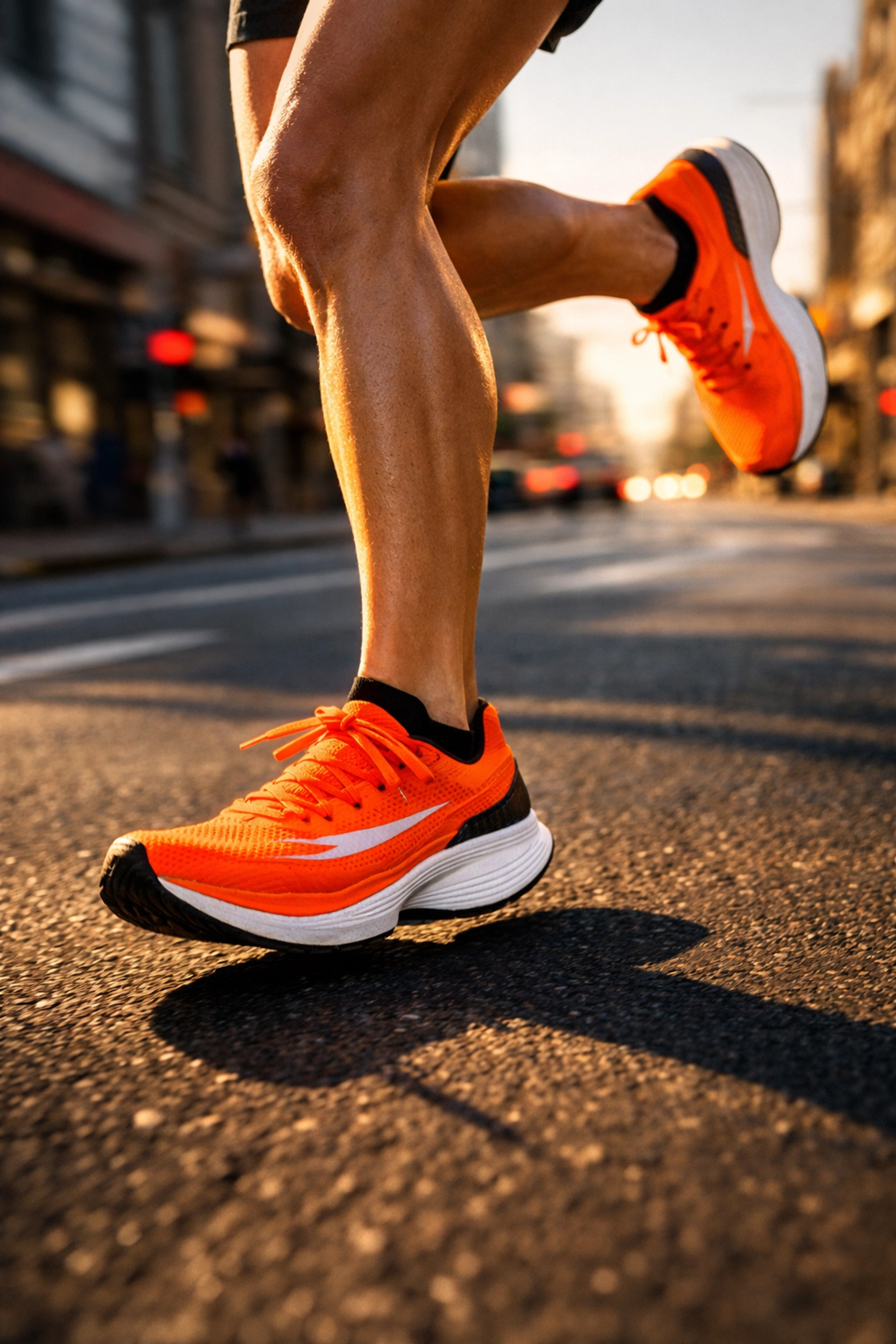
What Actually Matters When You Choose (Especially for Running Biomechanics)
Forget the marketing hype for a second. Here's what you need to think about—through a running biomechanics lens.
Cushioning and Your Goal
Are you racing for time or experience? If you're chasing a PR, you want something responsive—a shoe that gives energy back with each stride. If you're focused on crossing the finish line feeling strong, prioritize cushioning that absorbs impact and helps you stay comfortable when your form gets a little… abstract.
Neither approach is wrong. They're just different intentions.
Stability (AKA: Can Your Form Survive Mile 20?)
A lot of “injury prevention” talk gets pinned on foot shape or pronation like it’s the whole story. Usually, it’s bigger than that. The real question is: when you fatigue, do your knees drift in, do your ankles collapse, do you start slapping the ground?
If yes, you’ll usually do better with:
a wider platform
a more stable heel
a less wobbly midsole foam
This is where super trainers can be clutch for everyday runners: you get bounce and stability without feeling like you’re riding a tightrope.
Weight
Lighter shoes (under 8 ounces) feel faster. That's physics. But heavier shoes often provide more cushioning, which can save your legs in the later miles.
Here's a rough guide: if you're running sub-3:30, weight matters. If you're running 4+ hours, comfort (and stability) often matters more.
Drop (That Heel-to-Toe Thing)
Shoe drop is the height difference between heel and toe. Higher drops (10-12mm) can reduce strain on your calves. Lower drops (4-6mm) can feel more natural but require stronger calves and Achilles tendons.
If you've been training in a certain drop, race in a similar drop. Race day isn't the time for experiments—unless your hobby is learning lessons the hard way.
Recommendations By Runner Type
Let's get specific. Where do you fit?
For Race-Day Performance Chasers
If you're after a time goal, look at the Nike Alphafly 3 or ASICS METASPEED RAY. Yes, they're pricey. But if you've trained smart and you're ready to chase something meaningful, they deliver. The bounce, the energy return, the lightweight feel: it all adds up over 26.2 miles.
For First-Timers and Comfort-First Runners
The Nike Pegasus 41 or Saucony Triumph 23 are your go-tos. Plush cushioning, reliable fit, nothing fancy. They let you focus on the experience: the community, the energy, the finish line: instead of managing foot pain.
For the Versatile Runner
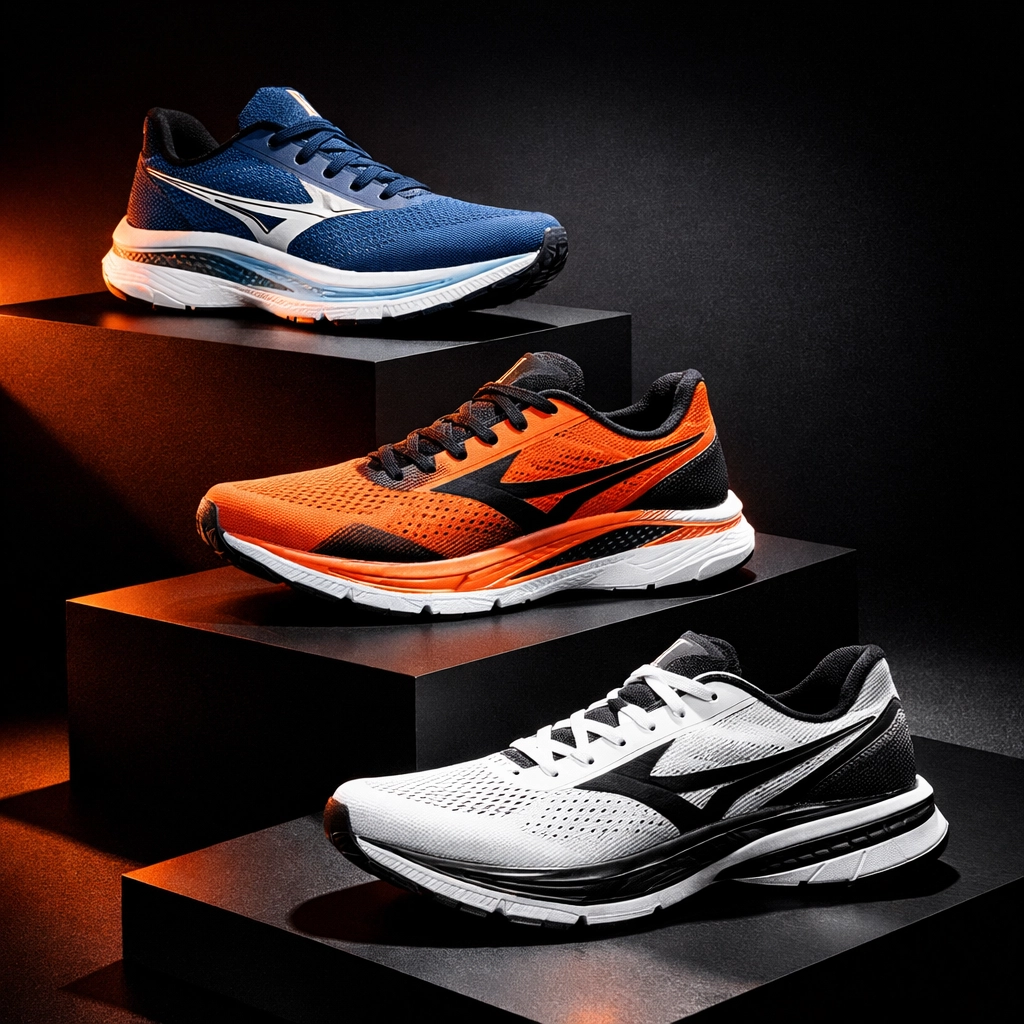
The Saucony Endorphin Speed 5 works for almost everything. Speedwork, long runs, race day. It's that rare shoe that doesn't compromise: responsive enough to feel fast, cushioned enough to handle miles.
For Budget-Conscious Runners
The New Balance FuelCell Rebel v5 gives you lightweight performance at $140. It's proof you don't need to drop $300 to run well. Smart choice for runners who've done the work and know expensive shoes won't magically add fitness.
The Bigger Picture: Confidence, Community, and the Full Package
Here's where it all ties together. Your shoes are one piece of a larger puzzle.
You've got your hydration strategy: whether you're hitting aid stations or carrying your own bottles. You've got your nutrition plan: gels every 45 minutes, maybe some real food at mile 20. You've got your race-day outfit, carefully tested on long runs so nothing chafes or surprises you.
Your shoes sit at the foundation of all this. They're the literal connection between you and the pavement, between your training and your performance.
And when you nail this part? When you show up with shoes you trust, a plan you've tested, and a body you've prepared? That's when you feel it. That runner confidence. That sense of belonging to something bigger than yourself.
Because marathon running is community. It's the strangers who cheer you on at mile 23. It's the fellow runners you pace with for a few miles. It's the shared understanding that everyone out there has put in the work, made sacrifices, and chosen to show up.
Your shoes are part of that story. They're evidence you took this seriously.
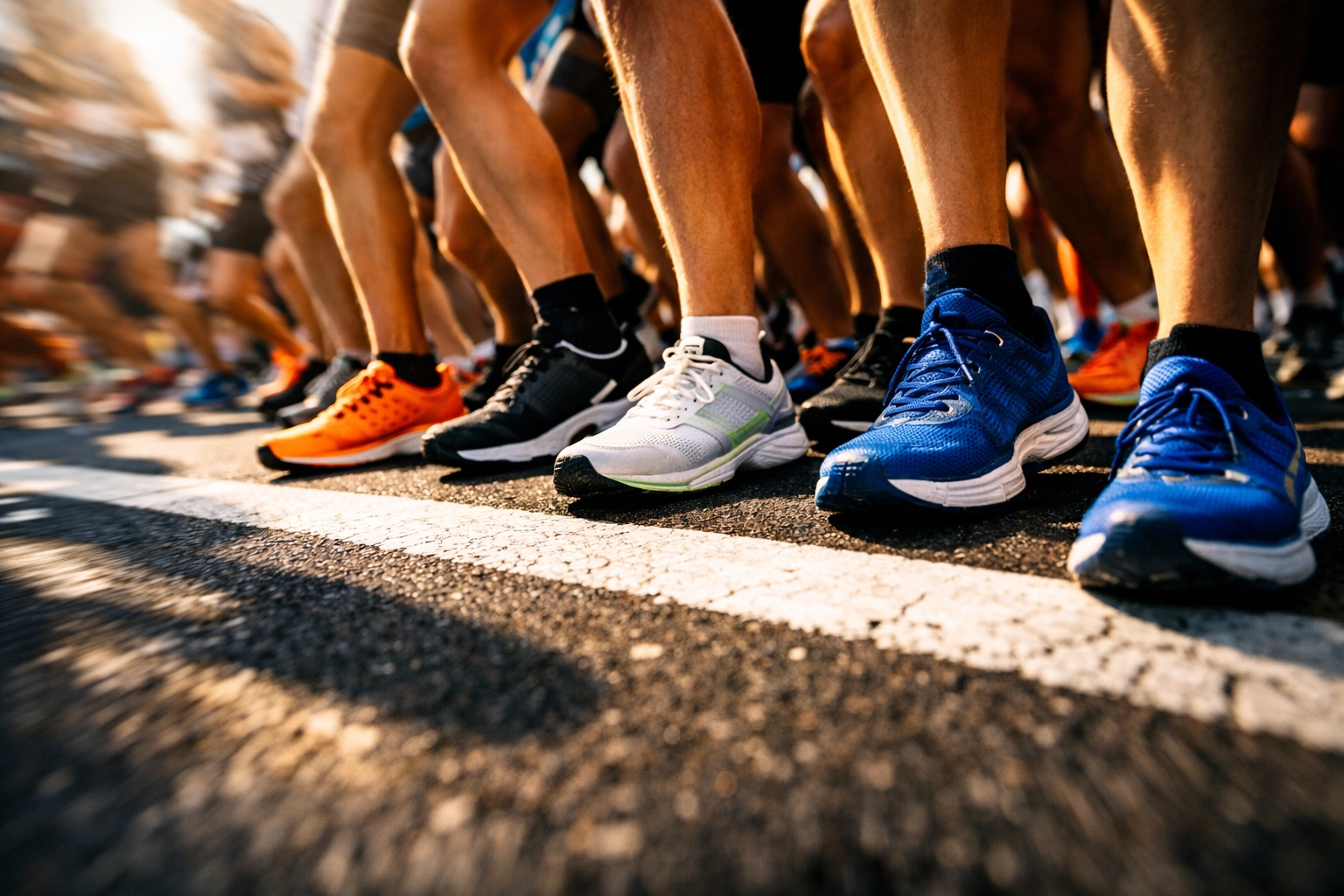
How to Actually Make the Decision
Start simple: What's your goal? Time or experience?
If you're chasing a specific time, you need speed. Look at super shoes or responsive trainers. If you're running your first marathon or prioritizing enjoyment, comfort wins. Get something well-cushioned and reliable.
Next, consider your budget. Elite racing shoes run $240-$285. Solid training shoes sit at $140-$175. Both can get you to the finish line: the difference is performance margins and personal priorities.
Finally: and this matters more than anything: try them on. Run in them if you can. A well-fitting training shoe beats a poorly-fitting super shoe every single time. Blisters don't care about carbon plates.
And remember: whatever you choose for race day, train in them. Or at least in something similar. Your feet need to know what's coming.
The Bottom Line
Choosing marathon shoes isn't about finding the "best" shoe. It's about finding your shoe. The one that matches your goals, fits your feet, and makes you feel ready when you pin on that bib number.
It's about confidence. It's about preparation. It's about respecting the distance and the process.
You're going to travel to races, probably. You're going to pack your carefully chosen gear, dial in your hydration and nutrition, and step up to the start line with thousands of other runners. And in those moments, when the gun goes off and you settle into your pace, you want to know your foundation is solid.
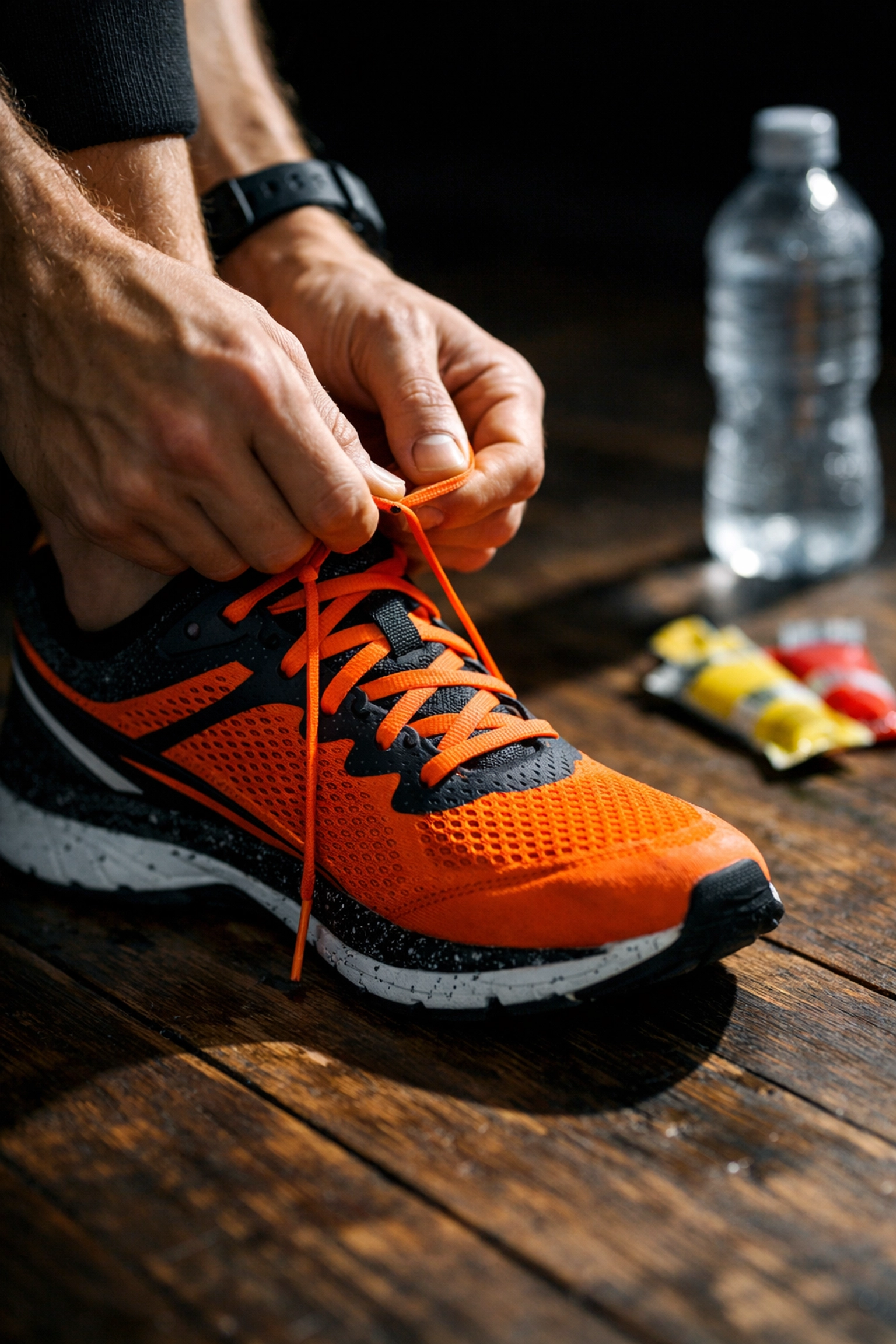
Your shoes are part of that foundation. Choose wisely, trust your preparation, and enjoy every mile. That's what this whole thing is about anyway: finding joy in the run, purpose in the process, and community in the shared experience.
Now go find your perfect match. The miles are waiting.

Scan this QR code to join the LOVE JOY RUN Tampa club!


Comments