
Stop the Injury Cycle: 5 Single-Leg Strength Moves Every Runner Needs (And Why Your PT Wishes You'd Do Them)
- LeMar Johnson
- Jan 20
- 5 min read

Let's be honest. You've probably been here before.
You're finally hitting your stride. The miles feel good. Your pace is improving. And then: boom. That familiar twinge in your knee. Or your hip. Or your ankle. Suddenly you're back on the couch, icing something and wondering what went wrong. Again.
Sound familiar? You're not alone. Most runners cycle through this frustrating pattern: train hard, get injured, rest, repeat. But here's the thing: it doesn't have to be this way.
Your physical therapist has probably mentioned strength training. Maybe even specifically mentioned single-leg exercises. And if you're like most runners, you probably nodded politely and then went back to logging more miles instead. No judgment here. We get it.
But those single-leg moves? They're actually the secret weapon you've been ignoring. Let's break down why they matter and which five exercises deserve a permanent spot in your routine.
Why Single-Leg Training Is Non-Negotiable for Runners
Here's a fun fact that changes everything: running is a single-leg sport.
Think about it. When you run, you're never on both feet at the same time. You're essentially hopping from one leg to the other, over and over, for miles. Each leg has to absorb impact, stabilize your body, and push you forward: completely on its own.
So why do most runners train both legs together? Squats, leg press, lunges with even weight distribution. These exercises are great, sure. But they let your stronger side do more than its fair share. Your dominant leg picks up the slack while your weaker side coasts along, barely pulling its weight.
Over time, this creates imbalances. And imbalances lead to compensation patterns. And compensation patterns? They lead straight to your PT's office.

Single-leg exercises force each side to work independently. No cheating. No compensation. Just honest, balanced strength building that translates directly to better running.
The benefits stack up quickly:
Better injury prevention. When both legs are equally strong, neither one has to overwork. That means less fatigue, less tightness, and fewer of those mysterious pains that seem to appear out of nowhere.
Improved balance and stability. Single-leg work trains your smaller stabilizer muscles: the ones that keep you upright when you're tired and your form starts to break down.
More power where it counts. A stronger push-off means better energy return. Translation? You run faster with less effort.
Core strength as a bonus. Balancing on one leg automatically engages your core. You're basically getting a two-for-one deal every time you do these exercises.
Ready to actually do something about that injury cycle? Let's get into the moves.
The 5 Single-Leg Exercises Your PT Dreams You'd Actually Do
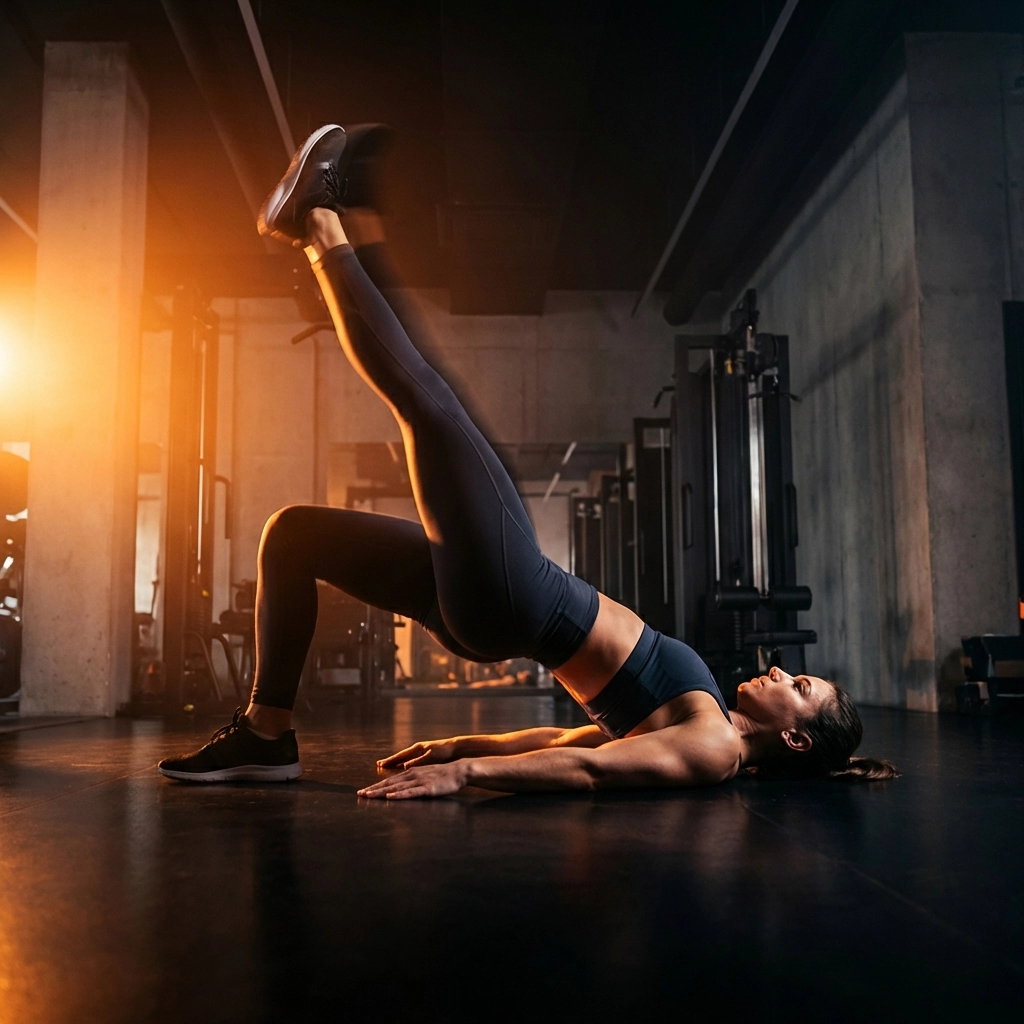
1. Single-Leg Glute Bridge
This one looks deceptively simple. Don't let that fool you.
How to do it: Lie on your back with your feet flat on the floor, hip-width apart. Extend one leg straight out in front of you. Press through the heel of your grounded foot and lift your hips toward the ceiling, squeezing your glutes at the top. Lower with control and repeat.
Why it matters: Your glutes are the powerhouse of your running stride. Weak glutes force your knees, IT band, and lower back to compensate: which is basically a recipe for injury. This exercise isolates each glute independently, building the strength and stability your hips desperately need.
Start with 3 sets of 10-12 reps per side. Focus on squeezing at the top rather than just going through the motions.
2. Single-Leg Romanian Deadlift
This is where things get interesting. And a little wobbly. Embrace the wobble.
How to do it: Stand on one leg with a slight bend in your knee. Hold a weight in the opposite hand (or go bodyweight to start). Hinge at your hips, lowering your torso while your free leg extends behind you for balance. Keep your back flat and core engaged. Return to standing with control.
Why it matters: This move lights up your entire posterior chain: hamstrings, glutes, and lower back. These are the muscles that propel you forward and protect your knees from taking a beating. Plus, the balance challenge strengthens your ankles and improves proprioception (fancy word for body awareness).
Fair warning: you might look like a flamingo having a rough day the first few times. That's normal. Keep at it.
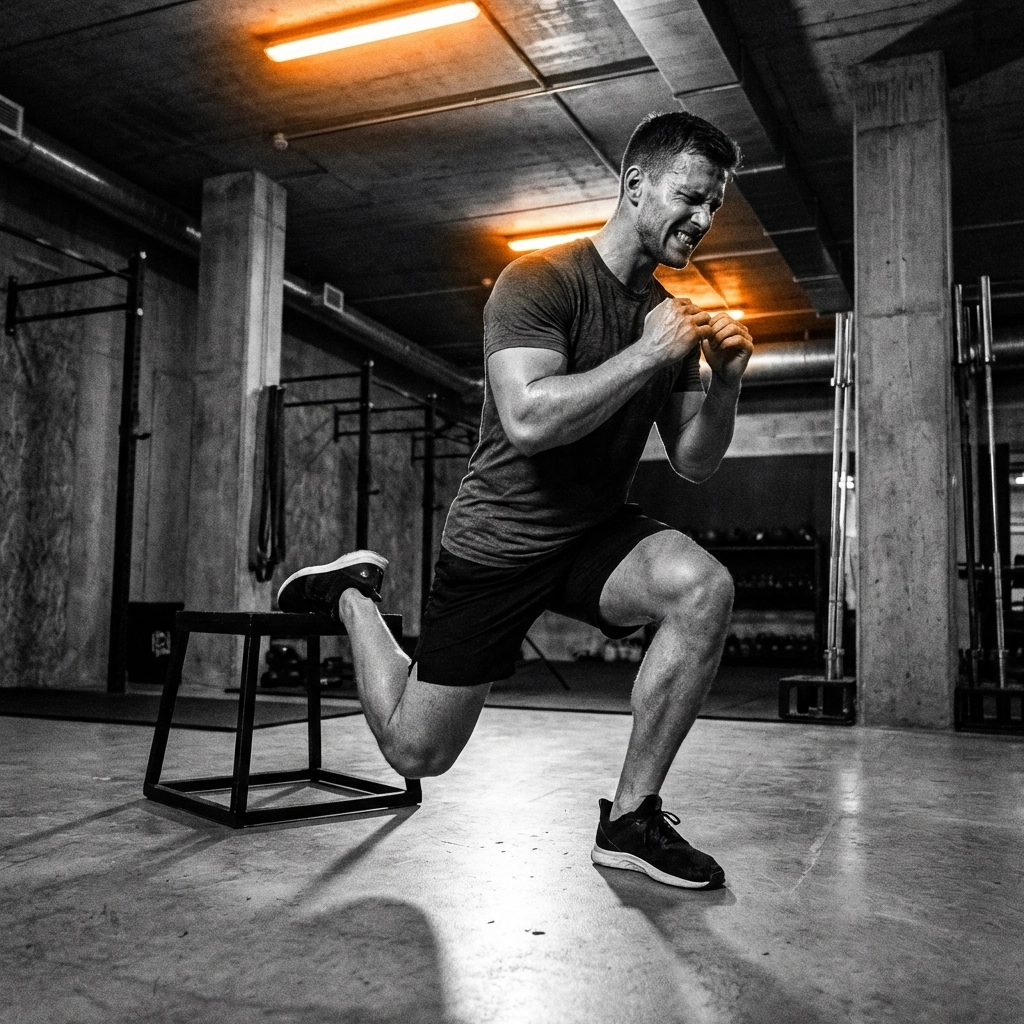
3. Bulgarian Split Squat
Ah yes. The exercise everyone loves to hate. There's a reason it shows up in every serious training program.
How to do it: Stand about two feet in front of a bench or sturdy chair, facing away from it. Place one foot behind you on the bench, laces down. Bend your front knee and lower your body until your front thigh is roughly parallel to the ground. Push through your front heel to stand back up.
Why it matters: This exercise builds serious unilateral strength while challenging your balance in a running-specific position. It targets your quads, glutes, and hip flexors: all critical players in a healthy running stride.
The burn is real. Lean into it. Your future injury-free self will thank you.
4. Single-Leg Squat (Pistol Squat Progression)
Before you panic: we're not asking you to bust out a full pistol squat on day one. Let's work up to it.
How to do it: Stand in front of a chair or bench. Lift one leg slightly in front of you. Slowly lower yourself down to the chair using only your standing leg, keeping your chest lifted and core engaged. Tap the chair lightly (don't plop down), then stand back up using just that one leg.
Why it matters: This exercise hits everything at once: glutes, quads, hamstrings, and core. It builds the kind of functional strength that directly transfers to running power and stability. As you get stronger, use a lower surface or eliminate the chair altogether.
Think of the chair as training wheels. Eventually, you'll ditch them.
5. Single-Leg Step-Up
Simple, effective, and easy to scale. This one's a keeper.
How to do it: Stand facing a box, bench, or sturdy step. Place one foot on top. Drive through that foot to step up, bringing your opposite knee toward your chest at the top. Lower back down with control.
Why it matters: Step-ups mimic the hip drive and single-leg power you need for running hills and accelerating. They build strength in a functional movement pattern that directly applies to your stride.
Start with a lower step and work your way up as you get stronger. Add weights when bodyweight becomes too easy.
How to Actually Make This Happen
Knowing the exercises is one thing. Actually doing them consistently? That's where the magic happens.
Here's how to get started without overcomplicating things:
Start with bodyweight. Seriously. Focus on balance and form before you even think about adding weight. Wobbly single-leg deadlifts with a dumbbell won't help anyone.
Dedicate one day per week. You don't need to overhaul your entire routine. One focused single-leg session per week makes a real difference. Tack it onto an easy run day or make it a standalone strength day.
Go barefoot when possible. Training without shoes strengthens the small muscles in your feet and improves your balance. Just make sure you're on a safe surface.
Don't ditch bilateral training entirely. Single-leg work complements your squats and deadlifts: it doesn't replace them. Use both for a well-rounded program.
Be patient. Strength takes time to build. Stick with it for a few weeks before expecting dramatic results.
If you want more guidance on building a complete strength routine, check out our post on why resistance training is essential for your fitness journey.
Break the Cycle for Good
Here's the bottom line: you can keep doing what you've always done and keep getting the same frustrating results. Or you can spend 20-30 minutes a week on these five exercises and actually break the injury cycle.
Your PT isn't recommending single-leg work just to give you homework. They're trying to keep you running: consistently, happily, and without those annoying setbacks that derail your progress.
The choice is yours. But honestly? Your knees, hips, and running goals are all rooting for you to give this a shot.
Now get off the couch and start bridging. One leg at a time.


Comments