
Why Your Foam Roller Isn't Fixing Your Knee Pain, And What Will
- LeMar Johnson
- Jan 28
- 5 min read

You've been doing everything right. Or at least, you thought you were.
Every night after your run, you grab that foam roller. You grimace through the quads, roll out the IT band (ouch), and spend a solid five minutes working around your knee. Yet somehow, that nagging knee pain keeps showing up. Mile after mile. Week after week.
Sound familiar?
Here's the thing: foam rolling has become the go-to fix for basically everything in the running world. Tight calves? Foam roll. Sore hamstrings? Foam roll. Knee pain? You guessed it, foam roll harder.
But what if that trusty cylinder of torture isn't actually addressing why your knee hurts in the first place?
Let's dig into what's really going on.
The Foam Roller Myth We All Bought Into
Don't get me wrong. Foam rolling isn't useless. It's a fantastic tool for reducing muscle tension, improving blood flow, and helping you feel less like a rusty robot after a hard workout.
But here's where things get tricky.
Foam rolling works on muscles. It releases tension in soft tissue. It can break up adhesions and trigger points. What it cannot do is fix structural damage inside your knee joint.
And that's the problem most runners run into. (Pun intended.)
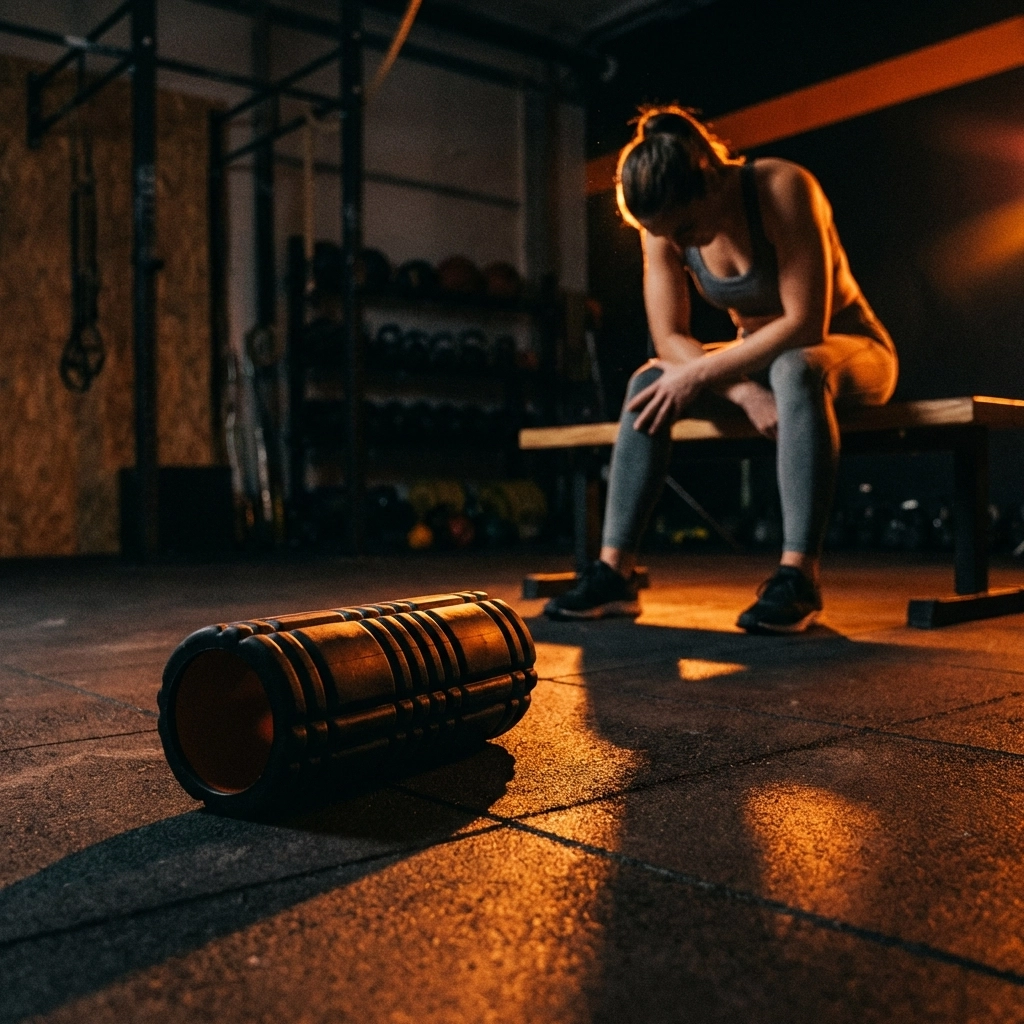
When your knee pain stems from issues like meniscus damage, ligament stress, cartilage wear, or inflammation in the joint capsule, rolling your quads and IT band is like putting a bandaid on a broken bone. Sure, it might feel okay for a minute. But the pain keeps coming back because you're treating the symptom, not the source.
Your muscles often tighten up because they're protecting an injured knee. That tightness is a response, not the cause. So while foam rolling temporarily releases that tension, it returns pretty quickly, because the underlying issue hasn't budged.
How to Tell If Your Knee Pain Is Muscular or Structural
This is the million-dollar question, right?
Here are some clues to help you figure out what you're dealing with:
Signs your pain might be muscular:
The pain feels like general tightness or achiness around (not inside) the knee
Foam rolling provides relief that lasts for hours or even days
The discomfort improves with movement and warming up
You can pinpoint tender spots in your quads, IT band, or hamstrings that radiate toward the knee
Signs your pain might be structural:
Sharp or stabbing sensations inside the knee joint
Pain that gets worse with specific movements like squatting, twisting, or going downstairs
Swelling, clicking, or locking in the knee
Foam rolling provides zero relief, or the pain returns almost immediately
The pain doesn't improve (or gets worse) with continued activity
If you're nodding along to that second list, it's time to look beyond the foam roller.
What Actually Works for Knee Pain (That Isn't Foam Rolling)
Alright, let's get to the good stuff. If foam rolling isn't cutting it, here's what might actually help.
1. Strength Training (Especially Single-Leg Work)
This is huge. Like, genuinely game-changing huge.
Weak glutes, hips, and quads are some of the biggest culprits behind knee pain in runners. When these muscles can't properly stabilize your leg during the running stride, your knee takes on extra stress it wasn't designed to handle.
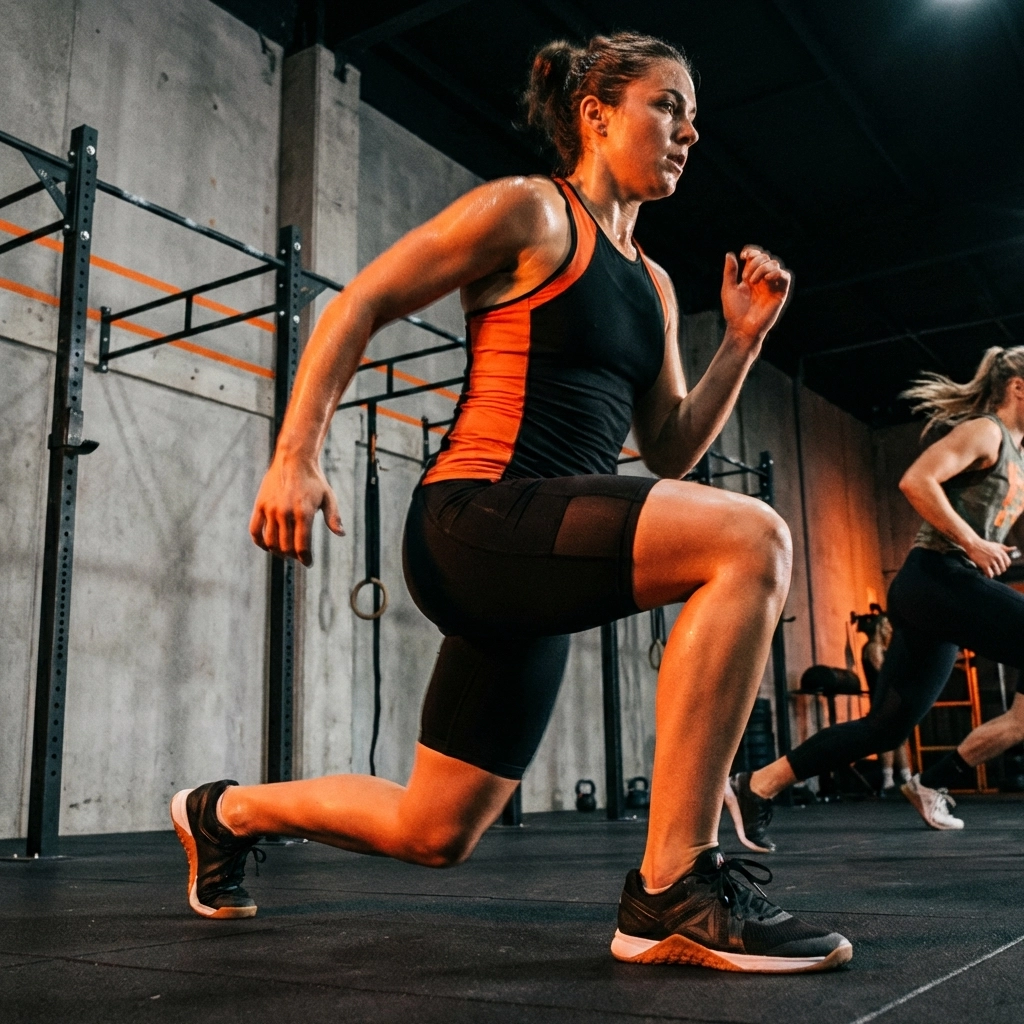
Single-leg exercises like Bulgarian split squats, step-ups, and single-leg deadlifts build the stability and strength your knee desperately needs. They also expose imbalances between your left and right sides: imbalances that often contribute to injury.
Check out our guide on strength training essentials for runners for specific exercises to add to your routine.
2. Hip and Glute Activation
Here's a pattern we see all the time: runners with knee pain who have sleepy glutes.
When your glutes aren't firing properly, your knee compensates by rotating inward during your stride. This puts massive stress on structures like the IT band, patella, and meniscus. Over time? Pain city.
Simple glute activation exercises before your runs: clamshells, glute bridges, monster walks: can wake up those muscles and take pressure off your knee. It sounds almost too simple, but it works.
3. Addressing Running Form
Sometimes the issue isn't strength. It's mechanics.
Overstriding, excessive heel striking, or running with your feet crossing your midline can all contribute to knee problems. A running coach or physical therapist can analyze your gait and identify patterns that might be loading your knee unfairly.
Small tweaks to your cadence or foot strike can make a massive difference over thousands of steps.
4. Load Management
This one's tough to hear, but it needs to be said.
If your knee is genuinely injured, it needs time and space to heal. That doesn't necessarily mean complete rest (unless your doctor says so), but it might mean reducing mileage, intensity, or frequency for a while.
Building back slowly with a tailored training plan helps ensure you're not overloading tissues that haven't fully recovered. Patience is annoying. But it beats being sidelined for months.
5. Professional Assessment
Look, I know nobody wants to hear "go see a professional." But sometimes it's the fastest path to actually getting better.
A sports medicine doctor, physical therapist, or orthopedic specialist can identify exactly what's going on inside your knee. They can rule out serious issues, provide targeted treatment, and give you a clear roadmap for recovery.
Guessing and hoping isn't a great strategy when it comes to joint health. Get the answers you need.

When Foam Rolling Does Help
Let's give the foam roller some credit where it's due.
If your knee pain is actually referred pain from tight quads, hip flexors, or IT band tension: foam rolling can be incredibly effective. Trigger points in these muscles sometimes send pain signals that feel like they're coming from the knee itself.
In these cases, consistent foam rolling (combined with stretching and mobility work) can provide real, lasting relief. The key is that the pain actually improves and stays improved. If you're foam rolling daily and still dealing with the same knee pain weeks later, that's your sign to try something different.
Foam rolling also works great as part of a comprehensive recovery routine. It's just not a standalone fix for every type of pain.
Building a Knee-Friendly Running Routine
Here's what a smarter approach looks like:
Before runs:
5-10 minutes of glute activation exercises
Dynamic stretches for hips and legs
Light foam rolling if it helps you feel loose
After runs:
Gentle stretching
Foam rolling for general muscle recovery (not as knee pain treatment)
Ice if you're experiencing inflammation
2-3 times per week:
Dedicated strength training focused on glutes, hips, and single-leg stability
Core work to support overall running mechanics
Ongoing:
Smart training progression (don't increase mileage too fast)
Regular check-ins with how your body feels
Professional help when something isn't improving
For more tips on staying healthy through your training, check out our post on injury prevention tips every runner should know.
The Bottom Line
Your foam roller isn't the enemy. But it's also not the hero your knee pain needs.
If you've been rolling religiously without results, it's time to look deeper. Strengthen the muscles that support your knee. Address your running mechanics. Manage your training load wisely. And don't be afraid to get professional guidance.
Your knees carry you through every single mile. They deserve more than a half-hearted roll on the living room floor.
Take care of them properly, and they'll take care of you.
Ready to build a stronger, more resilient running body? Explore our coaching resources and start running pain-free.
Comments